The 3 Most Important Marketing Systems Every Restaurant Needs
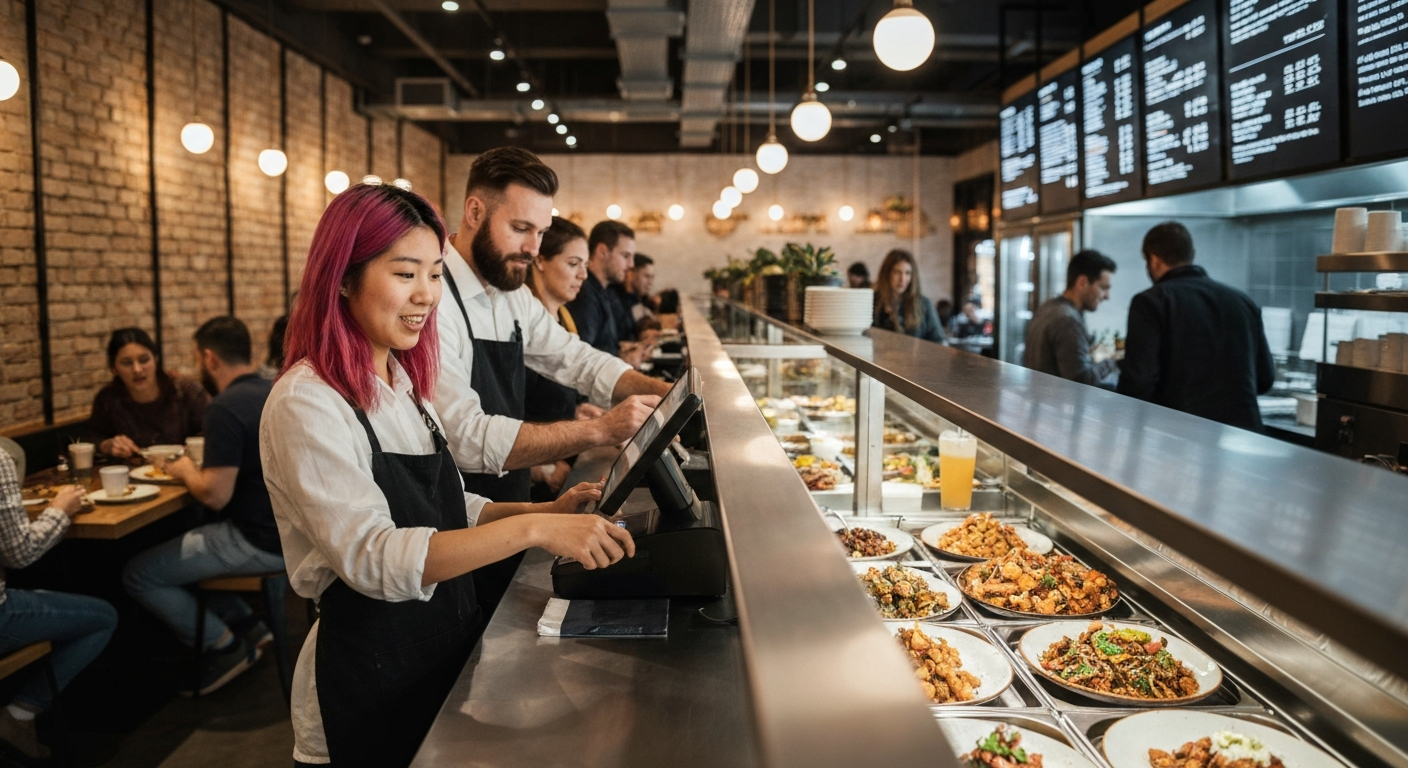
Restaurant owners spend a lot of money trying to get new customers through the door.
They run social media. They pay for Google Ads. They work with influencers. They run promotions.
There's nothing wrong with any of those things.
The problem is what happens after you get that customer.
If someone visits your restaurant once and you have no way to communicate with them again, you're constantly starting from zero. You're spending more money trying to find the next customer instead of also bringing previous customers back.
That's why I believe restaurants should have three fundamental marketing systems in place before worrying about everything else.
Quick Answer
The three most important restaurant marketing systems are: (1) a way to bring customers back, (2) a fully optimized Google Business Profile with a consistent review process, and (3) a website that actually helps sell your restaurant. Build these foundations before pouring more money into acquiring new customers.
1. A System to Bring Customers Back
This is the most important one.
Your restaurant needs a way to turn a first-time customer into a repeat customer.
One of the best ways to do that is by building your own customer database and using permission-based restaurant text marketing. If you haven't started collecting customer contacts yet, our guide on why restaurants should build a customer list they own explains how to get started.
Think about how most restaurants currently market themselves.
They spend money on social media, Google Ads, promotions, and other forms of advertising to convince someone to visit.
The customer comes in, eats, pays, and leaves.
Then what?
For a lot of restaurants, that's the end of the relationship.
Instead, restaurants should be building a database of customers who have opted in to hear from them. Now you have a direct way to invite those customers back.
I generally recommend reaching out about once a month with a worthwhile special or reason to return. Our article on how restaurants can use text marketing without annoying customers covers how to do this responsibly.
This becomes especially powerful on slower days. If Tuesday or Wednesday is consistently slow, you don't necessarily need to spend more money advertising to strangers. You can reach out to people who already know your restaurant and give them a reason to come back — the approach we walk through in how to bring in more customers on slow days.
The offer matters. The day matters. The timing of the message matters. There are a lot of factors that affect how well a promotion performs.
But the fundamental idea is simple:
Stop paying to acquire customers once and then forgetting about them. Acquire the customer, build the relationship, and give them reasons to return.
What I See Restaurant Owners Struggle With
I see restaurants work hard to earn a customer, but once that customer leaves, there is often no system for staying connected with them. They spend money on ads hoping new people will walk in, while ignoring the hundreds of happy customers who already know and like their food. The easiest customer to win is the one who already chose you once.
2. A Fully Optimized Google Business Profile and Great Reviews
The second thing every restaurant needs is a strong presence on Google.
Think about what happens when someone is hungry and doesn't already know where they're going.
They might search for:
- "Pizza near me"
- "Best Mexican restaurant near me"
- "Restaurants near me"
- "Best Italian food nearby"
Your restaurant needs to put itself in the best possible position to appear when those searches happen. Simply having a Google Business Profile isn't enough. Your profile should be completely filled out and maintained with accurate business information, hours, categories, photos, menu and website links, and other relevant information. We cover this in detail in how restaurants can show up more often on Google Maps.
Then there are your reviews.
Your Google reviews can strongly influence whether someone chooses your restaurant or another restaurant nearby.
Imagine someone comparing two restaurants they've never visited before. One has a neglected Google profile, outdated pictures, limited information, and very few recent reviews. The other has a complete profile, great photos, accurate information, and a consistent stream of recent customer reviews.
The second restaurant creates a much stronger first impression.
Restaurants therefore shouldn't simply hope customers leave reviews. They should have a consistent and compliant process for asking customers to share their experiences — the approach we explain in why your restaurant is not getting more Google reviews.
3. A Website That Actually Helps Sell Your Restaurant
The third system is a fully optimized restaurant website.
A restaurant website isn't just somewhere you put your menu, address, and phone number. Think of your website as your online brochure.
Someone might discover your restaurant through Google, social media, a recommendation, ChatGPT, Gemini, or another online platform. Then they visit your website. Now the website has a job to do.
It needs to convince that person that your restaurant is somewhere they actually want to visit. The website should look professional, work extremely well on mobile, load quickly, showcase the food and atmosphere, make the menu easy to access, display reviews, answer common questions, and make it extremely easy to:
- Call
- Get directions
- View the menu
- Order online
- Make a reservation
The website should also clearly communicate important information about the restaurant so search engines and AI systems can understand the business. That includes:
- Cuisine
- Location
- Menu
- Popular dishes
- Services
- Hours
- Ordering options
- Reservations
- Frequently asked questions
- What makes the restaurant different
The website should work for BOTH humans and search engines. If you're unsure whether your current site is doing enough, our guide on what a restaurant website should do besides display the menu is a good place to start.
Build the Foundation Before You Pour Money Into Advertising
This is where many restaurant owners get marketing backward.
Social media isn't bad. Google Ads aren't bad. Paid advertising isn't bad.
Social media can be extremely valuable for getting new people to discover a restaurant. But the foundation should come first.
If I took over the marketing for a good restaurant tomorrow that had basically zero marketing systems, I would start by making sure they had:
- A great website.
- A system for consistently generating Google reviews and maintaining a strong Google presence.
- A customer database and a system for bringing those customers back.
Then I'd pour gasoline on the fire.
Run social media. Run Google Ads. Run promotions. Find new ways to get people through the door.
Because now every new customer you're paying to acquire is entering a restaurant that already has systems designed to turn more first-time customers into repeat customers.
That's the difference between constantly chasing your next customer and actually building a marketing system for your restaurant.
Restaurant Owner Action Checklist
- Start collecting customer phone numbers with proper consent so you can reach past customers directly.
- Audit your Google Business Profile and fill in every missing detail — categories, hours, photos, menu, and links.
- Set up a consistent, compliant process for asking customers to leave honest Google reviews.
- Review your website as a customer would — can you easily find the menu, call, order, and get directions from a phone?
- Only after these foundations are in place, scale your paid advertising.
Frequently Asked Questions
What are the most important marketing systems for a restaurant?
A customer retention system, a strong Google Business Profile with a consistent review process, and a website that converts visitors into customers. These three foundations help you get more value from every customer you already earn.
Should I run ads before building these systems?
I recommend building the foundation first. When you run ads without a way to bring customers back, every new customer is a one-time transaction. With the right systems in place, paid traffic becomes far more valuable.
How often should I contact my customer list?
About once a month with a worthwhile reason to return is a good starting point. The goal is to stay top of mind without overwhelming your customers.
Do I need a new website if I already have one?
Not always. The question is whether your current website makes it easy for customers to find the menu, call, order, get directions, and take the next step. If it doesn't, it's worth improving.
Related Restaurant Marketing Guides
Why Should Restaurants Build a Customer List They Own?
Learn how restaurants can use QR codes, website forms, and permission-based offers to build a valuable customer list they can contact directly.
How Can Orange County Restaurants Show Up More Often on Google Maps?
Learn how Orange County restaurants can improve their Google Business Profile, local SEO, review activity, and visibility in Google Maps results.
What Should a Restaurant Website Do Besides Display the Menu?
Learn how a restaurant website can generate leads, answer customer questions, support local SEO, collect customer information, and encourage repeat business.
Build the Foundation Your Restaurant Needs to Grow
Sales Spike helps restaurants build the foundational systems they need to improve their online presence, generate more reviews, build a customer list, recover missed opportunities, and bring customers back. You can see the full breakdown on our Sales Spike pricing page.